






The Differences Between Iranian and American Pistachios
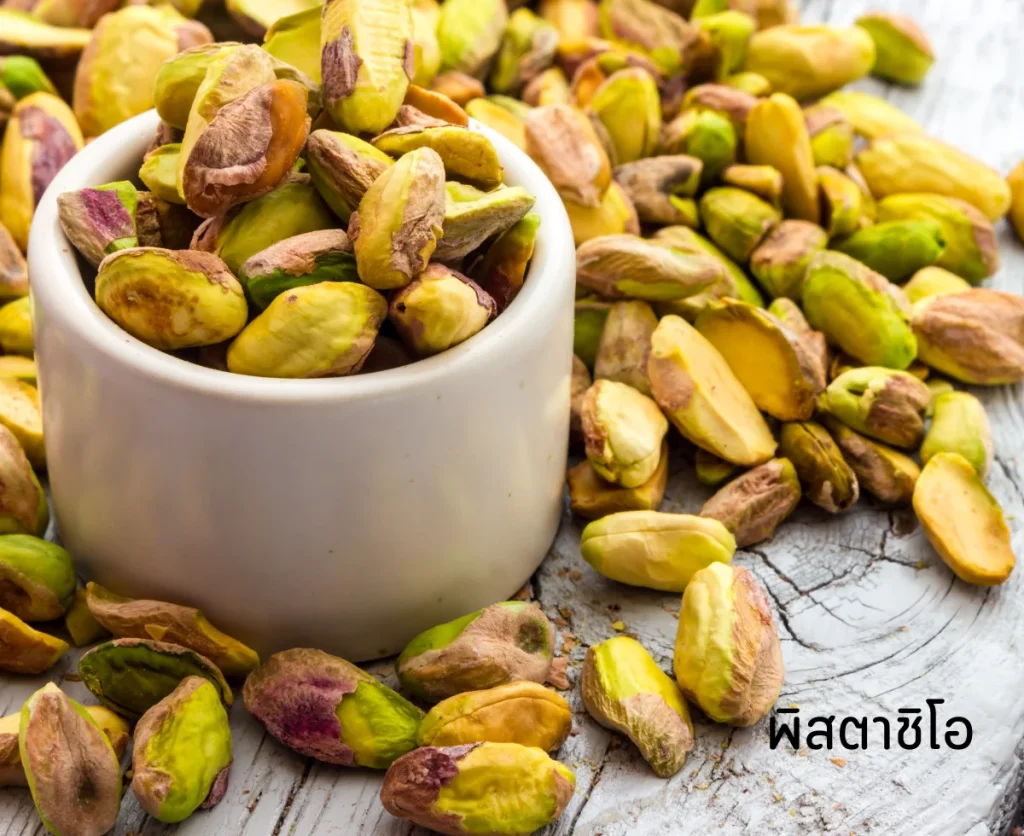
The Differences Between Iranian and American Pistachios: Comparing Quality and Flavor
Introduction
Pistachios, widely known in Thailand as “ถั่วพิสตาชิโอ,” are highly popular nuts due to their delicious taste and rich nutritional value. Among the most renowned pistachio-producing regions in the world are Iran and the United States. Each source offers pistachios with distinct characteristics and qualities. This article explores the interesting differences between pistachios from these two major regions.
History and Origin
- Iranian Pistachios: Iran is the original birthplace of pistachios, with a history of cultivation spanning over 2,000 years, especially in the Kerman region. Iranian farmers have developed cultivation and care techniques passed down through generations, creating long-standing agricultural expertise.
- American Pistachios: Pistachio cultivation began in the mid-20th century, particularly in California, where the climate is similar to the nut’s native environment. With advancements in breeding and modern agricultural technologies, the U.S. produces large quantities of pistachios with consistent quality.
Cultivation Environments
Cultivation Areas in Iran
- Arid climate with high daytime temperatures and cooler nights
- Soil rich in unique minerals that support healthy growth
- Optimal elevation that enhances flavor and quality
- Primarily natural and organic farming methods
Cultivation Areas in the United States
- Semi-arid climate with advanced irrigation systems
- Soil improved using modern agricultural technology
- Systematic planning and large-scale cultivation
- Utilization of environmental control technologies
Physical Differences
| Characteristic | Iranian Pistachios | American Pistachios |
|---|---|---|
| Size | Generally smaller but denser with consistent kernels | Typically larger, ideal for snacking |
| Color | Deep yellowish-green color from natural seasonal growth | Brighter green with more uniform color |
| Shape | Shells are less widely split, giving a distinct look | Shells are more widely open, easier to crack |
| Shell | Thinner and harder, helping preserve kernel quality | Thicker but softer, making them easy to open |
| Surface | Shells have unique natural patterns | Smoother surface due to advanced processing |
Flavor and Aroma
| Iranian Pistachios | American Pistachios |
|---|---|
| – Stronger, sweeter natural flavor | – Milder and fresher taste |
| – More pronounced aromatic scent, similar to wildflowers | – Lighter aroma, more consistent |
| – More complex flavor with rich nuttiness | – Simpler flavor, ideal for seasoning or mixing |
| – More naturally flavored | – Often enhanced with added seasonings such as salt |
| – Strong aroma from natural oils | – Notably crunchy texture |
Production and Processing
| Iranian Pistachios | American Pistachios |
|---|---|
| – Grown using traditional methods passed down through generations | – Produced using modern technology |
| – Harvested mainly by hand labor, ensuring better selection | – Harvested using machinery for large-scale production |
| – Sun-dried using natural processes such as sunlight and airflow | – Industrial drying methods for controlled quality |
| – Hand grading with a focus on quality | – Graded using automated machines |
| – Uses natural preservation methods | – Uses advanced storage systems |
Culinary Uses
| Iranian Pistachios | American Pistachios |
|---|---|
| – Ideal for traditional Middle Eastern desserts | – Ideal for Western-style baked goods |
| – Commonly used in premium ice cream and fine desserts | – Often used in fusion cuisine |
| – Great for natural snacking | – Frequently used in salads and health foods |
| – Used in traditional Iranian dishes | – Suitable for processing into various products |
| – Ideal for producing high-quality pistachio oil | – Widely used in large-scale food industries |
Key Nutrients in Pistachios from Both Sources
Pistachios from both Iran and the U.S. are rich in essential nutrients, including:
- High-quality protein
- Healthy fats essential for the body
- B vitamins
- Important minerals such as magnesium and potassium
- Antioxidants
Nutritional Differences
- Iranian pistachios contain higher natural oil content
- American pistachios often have controlled levels of sodium
- Vitamin levels vary depending on processing methods
Conclusion
Both types of pistachios have their own unique characteristics. Iranian pistachios stand out for their intense, natural flavor, while American pistachios offer greater accessibility and convenience. Choosing between the two depends on personal preference and intended use. Regardless, both varieties provide excellent nutritional benefits that support a healthy lifestyle.